
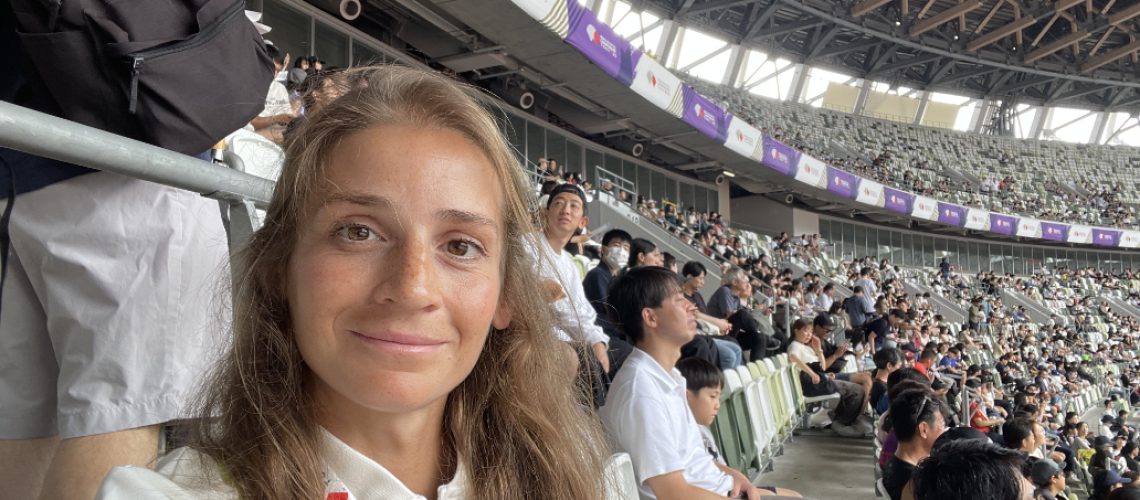
Nina Usubyan
_
I started running seriously around the age of 25. I had no professional sports background and no long-term plan at the beginning. I simply started and kept moving. Over the next fifteen years, running slowly became part of my life. I raced many marathons, completed all six World Marathon Majors, won in San Francisco, was 3rd at the Los Angeles marathon.
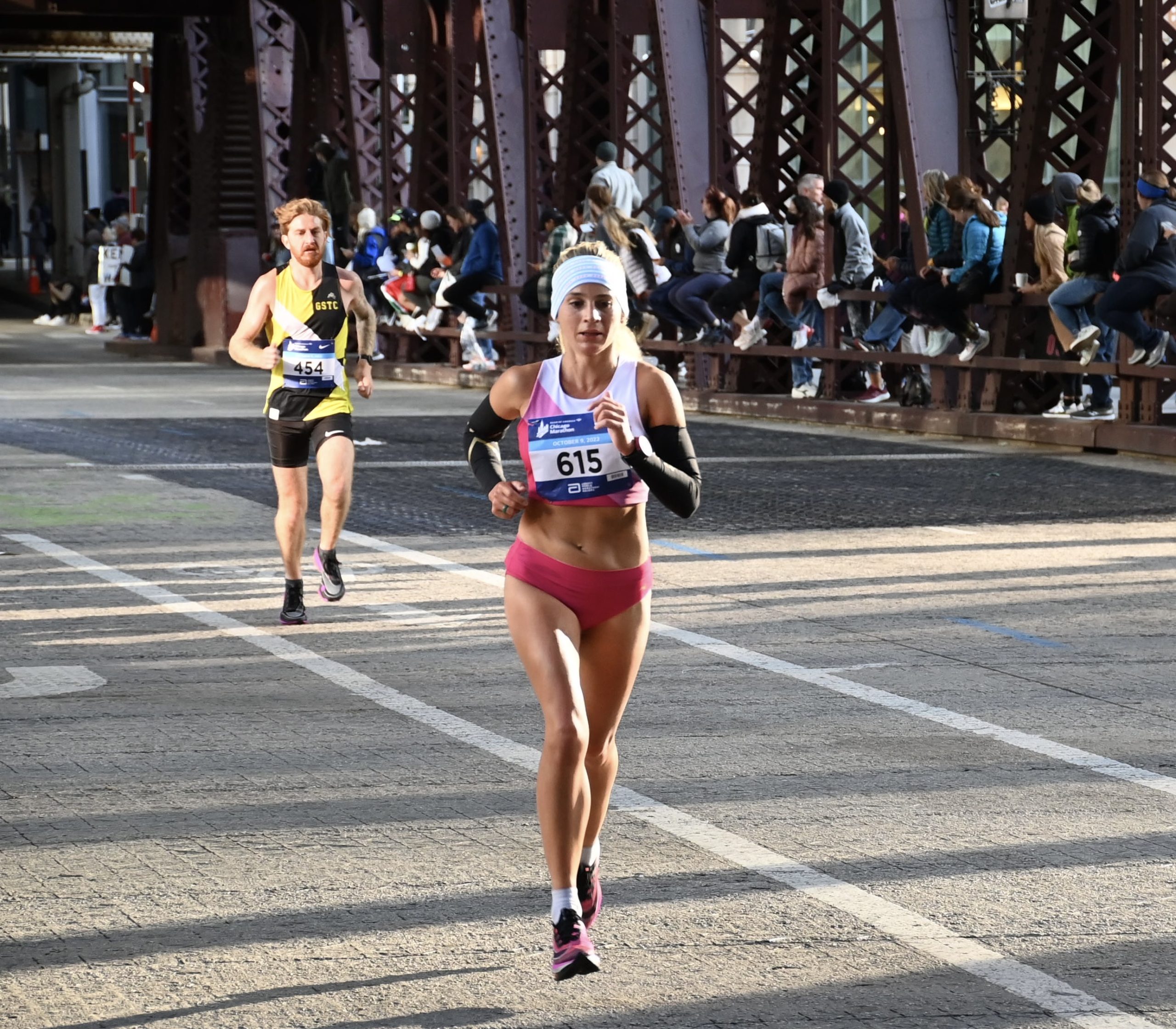
At the same time, I was always thinking about what comes next. How to improve. How far I could go. Reaching the professional stage later on felt like a logical step, especially after reaching a 2:33 marathon level.
In 2025, I finally took that step. For the first time in my life, I competed at the European and World Athletics Championships and represented Armenia. Until then, professional championships were something I watched on TV. Bright stadiums, polished broadcasts, heroic stories. Tokyo showed me another side. Not glamorous. Not dramatic. Just real.
Getting There Was Already a Win
Qualifying for the World Championships alone felt significant. I entered ranked 99th and finished the race in 44th place.
The time 2:42:37 was far from my personal best. Still, from my side, this was one of the most professional races I have ever run.
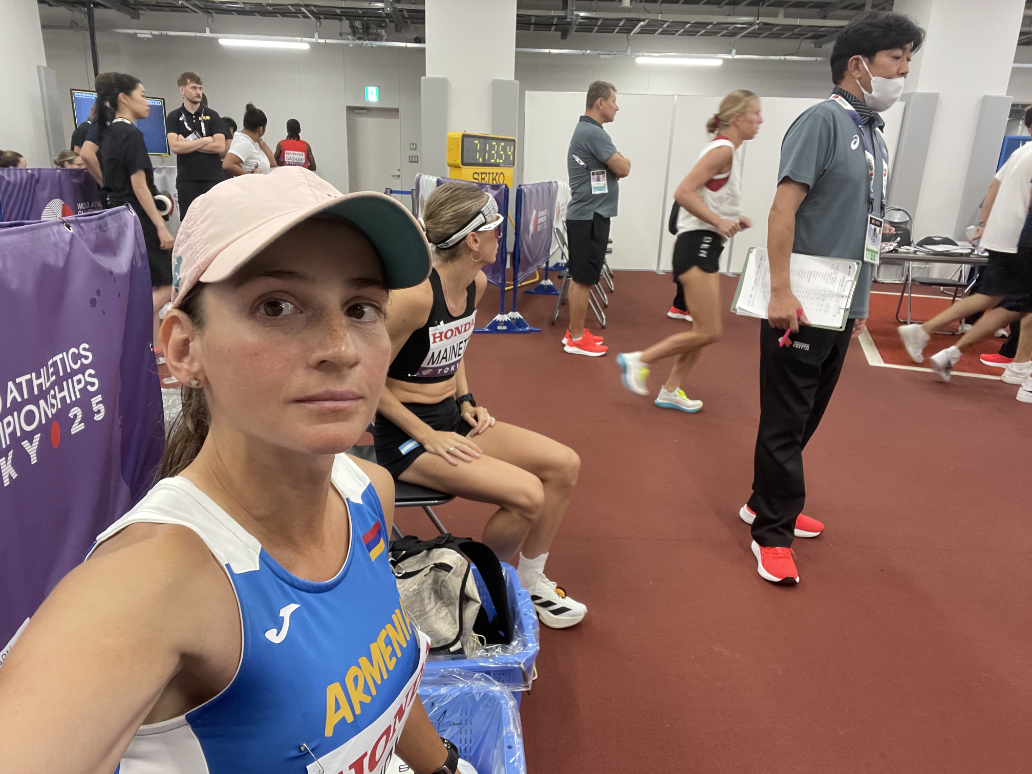
My main goal was simple. Finish. At this level, there is also strong moral pressure. You are not running only for yourself. You carry your nation with you, even if no one says it out loud. The fear is not just about failing as an athlete, but about not finishing, not delivering, not representing your country the way you believe you should. That pressure is quiet, but constant.
The last time an Armenian woman finished a marathon at the World Athletics Championships was in 2001, in Edmonton, Canada, where Armenia placed 47th (2:56:57). More than twenty years had passed. I was not chasing a result. I wanted to restore presence. To show that Armenian women are still here.
Racing With Patience
The race began on the same track used for the main stadium events and ended there as well. That’s an unforgettable setting. I saw my short pre-start strides on this big screen.
Because of the expected heat and humidity, I made a conscious decision not to gamble. After the first kilometer, I was second from last.
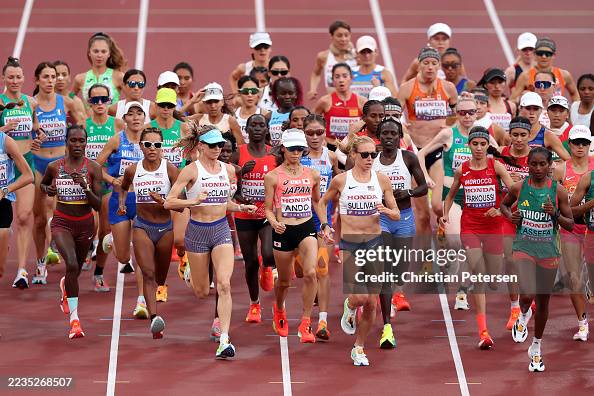
That wasn’t panic. It was a strategy.
Championship races are rarely about time. They’re about survival, decision-making, and respect for conditions. I held my pace, stayed patient, and slowly, kilometer by kilometer, moved forward, passing runners one by one. It became a quiet, lonely race. Not as dramatic as it looks on TV, but deeply focused and controlled.
For the first time in my life, I had cramps about 5km before the finish, so this always settled me down in reflection on whether I could start faster.
Heat is no joke. I used water, ice, and cooling packs at every opportunity. The weather was difficult but manageable. There was no direct sun, and a light morning breeze helped a little. Conditions were officially rated at the high risk level. The start time was moved earlier by 30 minutes, although an even earlier start would have made more sense. At championships, this is common. Athletes adapt. We always do.
More Than Just the Race
In many ways, getting into this race was harder than the race itself.
From May to August, everything felt uncertain. Unlike a typical marathon, where you plan your own four- to six-month cycle, this time there was barely one month to solve everything. Visa timing. Flights. Accommodation. Clothing rules. Brand visibility. National symbols.
For the first time, I was required to provide a genetic test to prove that I am female. Giving birth to a child was not considered proof.
There was more in Tokyo. There was no oatmeal porridge at breakfast and no microwave to prepare it. The time window to hand in personal nutrition bottles opened 30 minutes after the last bus to the warm-up zone had already left. Because of all the checks, you had to complete warm up more than one hour before the start.
After the race, exhausted, we had to walk up and down two floors by stairs just to reach the press area. There was little interest if you were not at the very top. The changing area was placed just a few meters from the press wall, with male journalists around. A private shared space for women was not provided without negotiation.
All these small distractions are not normal. They reveal the less visible side of marathon organization at the championship level. I sometimes hear the opinion that athletes are simply spoiled by the high standards of Major Marathons. I do not agree with that. Supportive organization is not a luxury; it is part of performance and safety. A marathon may not be only one event inside a large championship, but at the world level, systems should reduce pressure on athletes, not add to it. Right now, it often feels like the opposite.
No race photos. No medals. No bananas. No beer after the finish line.
What Stayed With Me
After listing all of that, it might sound like Tokyo was only about stress and frustration. It was not. Championships are complicated, but they are also made by people, and that part still worked.
People genuinely wanted to help, even if they did not always have answers. Sometimes the answer was simply, “I am not sure, but I will try to find out,” and that already mattered. There was kindness in many small moments.
Racing in Japan helped with jet lag more than I expected. My body adapted quickly, which felt like a small personal victory before the race even started. The course itself was very clear and easy to follow, something you truly appreciate when your head is tired and your legs are heavy.
Support from The Janes team meant a lot. They thought of me before the event, and it felt personal and kind. It reminded me that people believed in me and cared about my journey even before the race began.
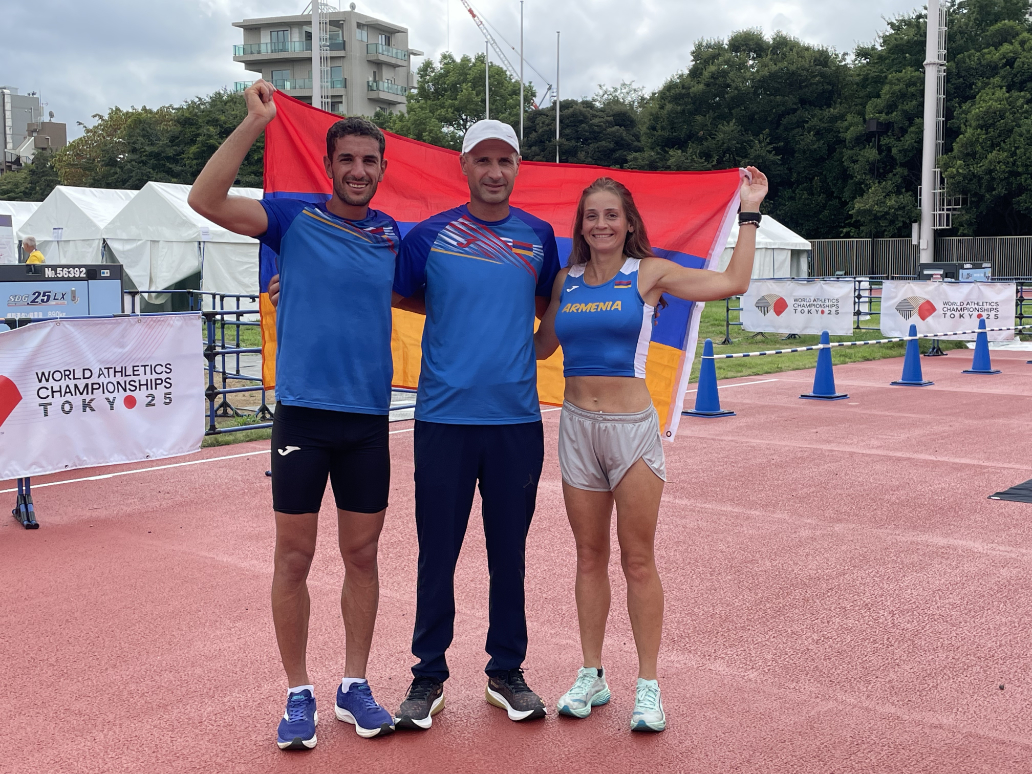
Meeting the Armenian team in person for the first time was also important. Until then, everything had been remote. In Tokyo, we were finally together. They were open, supportive, and genuinely warm. It made the experience feel real and shared. The Armenian team uniform was another level entirely. I received it from the head coach at the event, and the moment I put it on, everything clicked. I felt like I had fully stepped into the professional world. I did not feel alone. I felt part of a team.
Beyond the Finish Line
From my side, this was a very professional race. In tough conditions, with stressful preparation, I delivered exactly what I expected from myself.
There was no miracle. No bright success. No media attention. You run your race, and then you move on. And I choose to race safely.
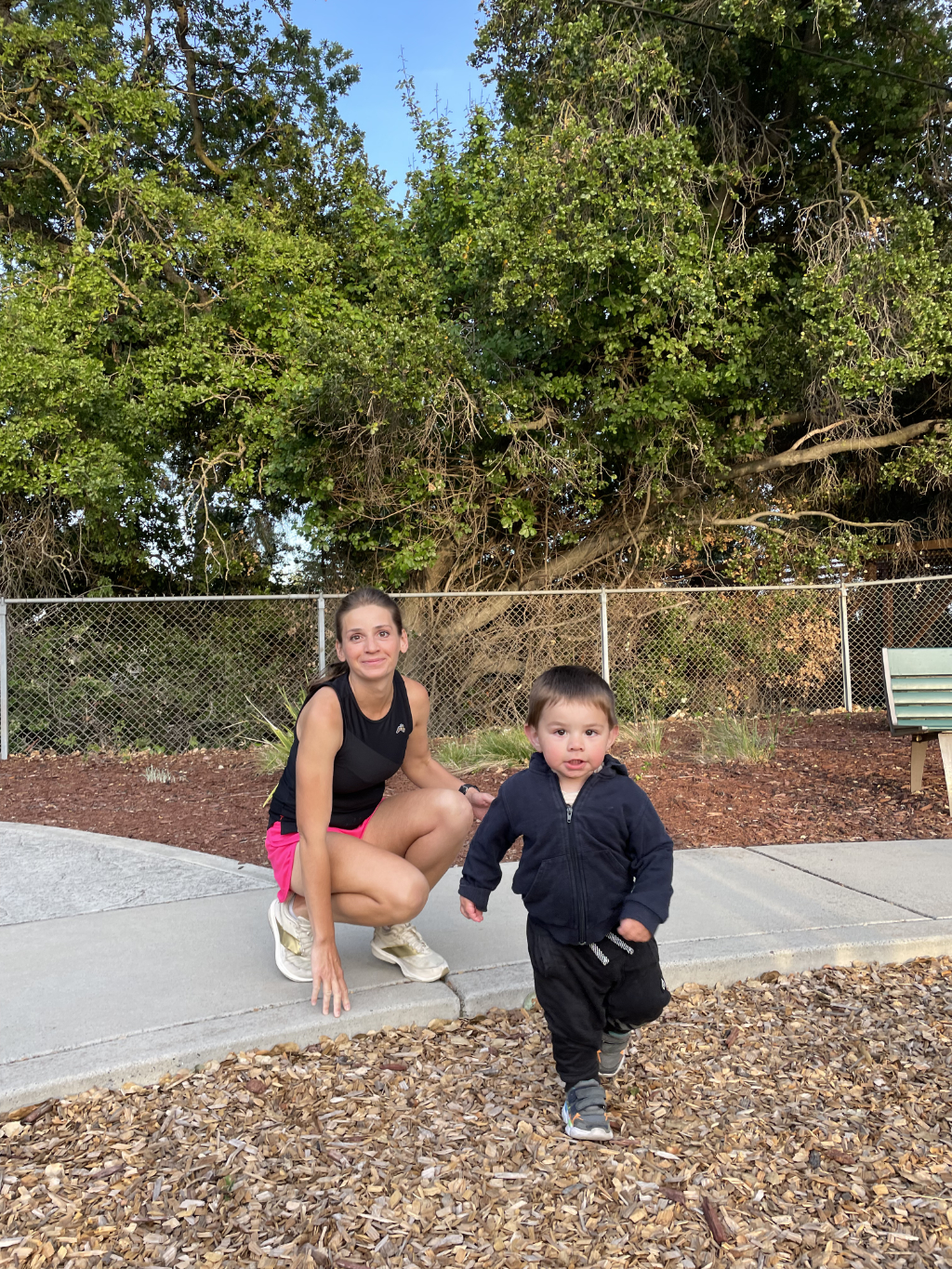 I ran at the World Championships on Sunday. On Monday, after a ten-hour flight, I was at the playground with my son. I do not have the option to fall apart after the finish line. I need to be wise. I need to stay healthy. That matters now more than ever.
Before Tokyo, I was terrified to be among the best in the world. I carried a quiet feeling that this might not be my place. Now I know it is. A championship field is built by many athletes, not only by those on the podium. You earn your place through preparation, decision-making, and by finishing your race the way you believe is right.
I also understand that this race was not an endpoint. World Championships are a step. For me, this is part of a longer road toward the Olympic cycle. I do not know yet where this journey will lead, but I hope it has more chapters ahead.
What matters most is that we broke the ice. Armenian women’s long-distance running moved one step forward. This race was not about medals or headlines. It was about presence. About showing that the path is open again. These were seeds, and I hope that with time, support, and continuity, they will grow.
Championships are often described as celebrations of excellence, fairness, and the highest standards of sport. From the inside, they feel different. They are large, complex, political events, where athletes are only one part of a much bigger picture.

And none of this would be possible without my family. They are everything. Without their support, I could not afford this preparation, this travel, or this level of commitment. Running with my family surname and my son’s surname on the bib meant more to me than any number next to my name.
The finish line in Tokyo gave me something more valuable than a time or a place. It gave me perspective. I now understand what it truly means to compete at this level. Not as a dream, but as work. I finished my race, I went home, and I showed up for my life.